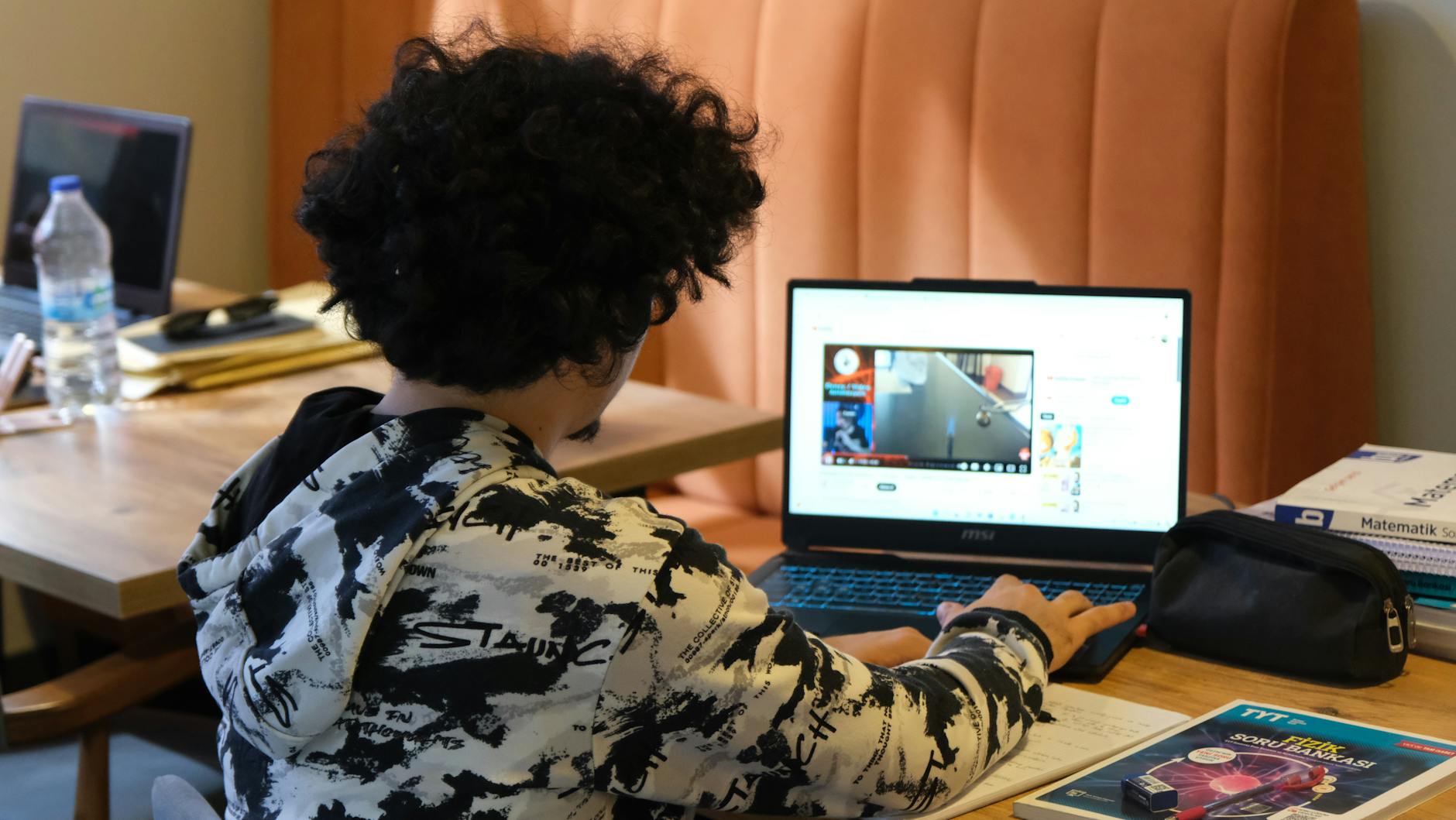
In short: Using random video chat to learn a language is the digital equivalent of an express trip: it's immersive, unpredictable, and sometimes disorienting. While traditional platforms aren't designed for teaching, they offer instant access to native speakers that even paid tutoring apps struggle to match in terms of spontaneity. This guide explains how to filter your interlocutors, structure your exchanges to progress, and secure your environment so that learning doesn't turn into frustration.
Brutal Immersion: Why It Works
Most language learners spend years studying grammar and vocabulary without ever daring to take the plunge into real conversation. This is the "silent syndrome": you understand everything, but you can't say anything. Random video chat breaks this blockage through the power of chance.
Unlike a structured course, you are confronted with the language as it is actually spoken: with its accents, slang, hesitations, and real-life pace. This is what is known as natural acquisition. By being thrown in front of a stranger, the brain switches to "communication survival" mode, which forces rapid word retrieval and immediate adaptation.
However, for this experience to be productive, it requires a minimum amount of equipment. To avoid misunderstandings caused by poor sound quality, using a headset with a microphone allows you to isolate your interlocutor's voice and considerably improve your listening comprehension.

Strategies to Turn Chance into a Language Lesson
Connecting and saying "Hello" isn't enough. Without a strategy, you'll spend 90% of your time clicking "next" on uncooperative profiles. To turn your session into a true linguistic exercise, apply these three methods:
1. The Immediate Visual Signal
In a random chat, you have about three seconds to capture the other person's interest before they skip. To attract people ready to help you, make your intention visible.
The most effective trick is to hold up a simple sign, written in large markers, stating: "I want to practice my English / Je veux pratiquer mon espagnol". This instantly filters out users looking only for entertainment and attracts those who are either in the same situation as you or willing to play the role of a mentor.
2. The "Survival Script" Technique
The stress of live interaction can be paralyzing. To avoid this, keep a notepad next to your keyboard with backup phrases.
- To slow down the speaker: "Could you speak a bit slower, please?"
- To ask for a correction: "Please correct me if I make a mistake."
- To ask for a specific word: "How do you say [word in your language] in your language?"
For those practicing writing in parallel, having a small physical notebook allows you to jot down idiomatic expressions you hear without taking your eyes off the screen.
3. Choosing the Right Time Zone
As we've seen in our previous guides, the connection time is crucial. If you are learning Japanese, connect when it's early evening in Tokyo. You will increase your chances of encountering natives who are relaxed and more inclined to chat at length.
Pitfalls to Avoid to Stay Motivated
Learning via video chat is an emotional rollercoaster. You will go from a fascinating 20-minute conversation to ten 5-second calls with rude people.
Managing the Frustration of the "Skip"
It is essential not to take the "next" button personally. Random video chat is a flow. If someone cuts the communication, it's not your language level that is the problem, but simply the nature of the platform.
Security Vigilance
Enthusiasm for progress should not lead you to forget basic rules. Never share your personal social media or contact details in the first few minutes. If an interlocutor becomes too insistent or inappropriate, disconnect immediately. Learning justifies no sacrifice of your privacy.

Optimizing Your Environment for Better Immersion
Paradoxically, the quality of the exchange depends on technical factors. If your image is dark or your sound crackles, the interlocutor will tend to cut the call faster, reducing your practice opportunities.
The Importance of Light
A clear image inspires trust. If you work in a dark room, adding a small LED ring light can transform your image, making you more engaging and professional, which encourages longer and more serious conversations.
Posture and Equipment
Language learning is mentally exhausting. To sustain prolonged practice sessions, make sure you are comfortably installed. An ergonomic laptop stand keeps the webcam at eye level, avoiding the "bottom-up view" which can be perceived as less natural or intimidating during an exchange.
Comparison: Random Chat vs. Language Exchange Apps
| Criterion | Random Video Chat | Exchange Apps (Tandem, HelloTalk) |
|---|---|---|
| Speed | Instant | Requires finding a partner |
| Unpredictability | Very High (Real-world) | Moderate (Filtered profiles) |
| Pressure | High (Stimulates reflexes) | Low (Time to think) |
| Cost | Free | Free / Freemium |
| Security | Higher Risk | More Regulated |
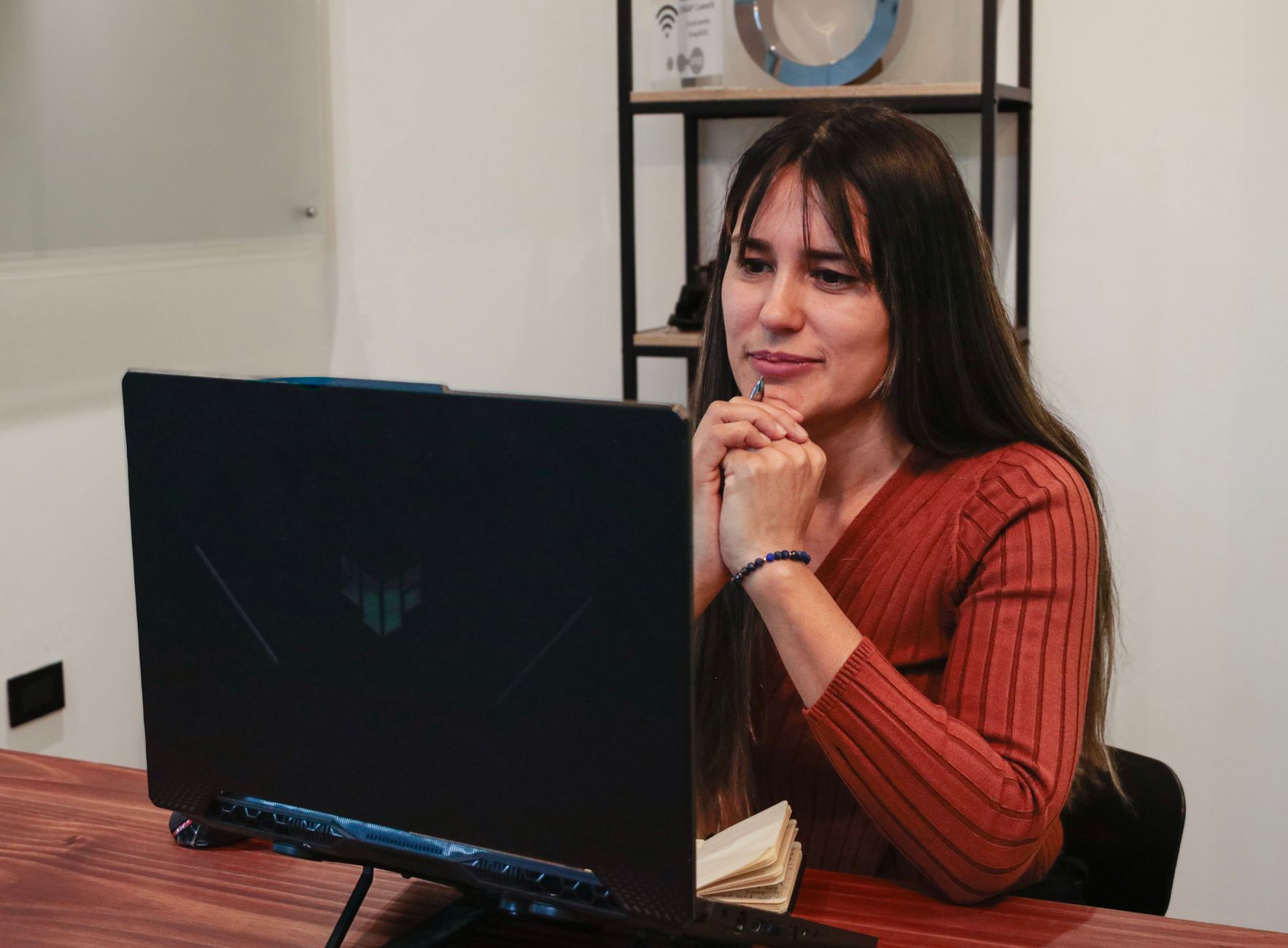
Conclusion: Making the World Your Classroom
Random video chat is a powerful tool for those with the courage to dive in. By turning every connection into a micro-lesson, you develop not only your vocabulary but also your self-confidence.
The final tip for progress is consistency. Twenty minutes of daily practice, even fragmented into ten short conversations, are more effective than one four-hour session once a month. By accepting imperfection and embracing the chaos of chance, you turn your screen into a window open to the world, where every "next" is a new chance to express yourself.